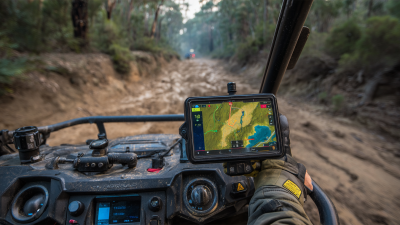
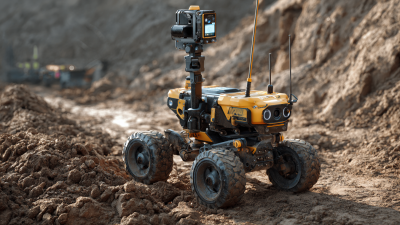
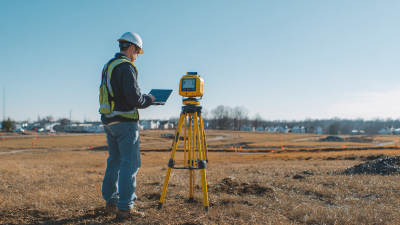
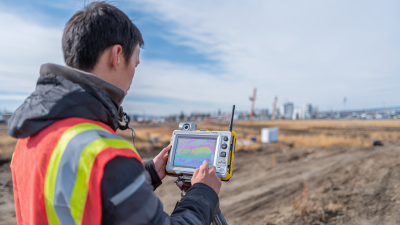
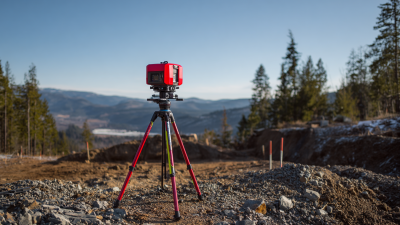
Precision agriculture is changing so fast these days, and honestly, technology is really at the heart of it all. One of the coolest trends lately has been Portable Rtk systems—those little gadgets that give you really accurate, real-time data down to the centimeter. They’re becoming a game-changer for farmers because they help improve everything from mapping fields to analyzing soil. Big names like Trimble, John Deere, and Leica Geosystems are really pushing the innovation in this space.
Come 2026, I think farmers will be even more dependent on portable RTK for all sorts of tasks—whether it’s mapping out fields or checking soil health. When you integrate GPS tech right into your machinery, the level of precision is pretty astonishing. That said, it’s not perfect—terrain and satellite signals can sometimes mess with the system’s reliability. So, it’s super important to pick the right setup that fits the specific needs of your farm.
Of course, it’s not all smooth sailing. There’s a bit of a learning curve—training operators properly is essential if you want to really get the most out of these systems. Plus, the upfront cost can be a bit intimidating for some farmers. It’s a classic case of weighing the long-term benefits against the initial investment. Keeping these things in mind will be key as agriculture keeps evolving and adopting more tech like this.
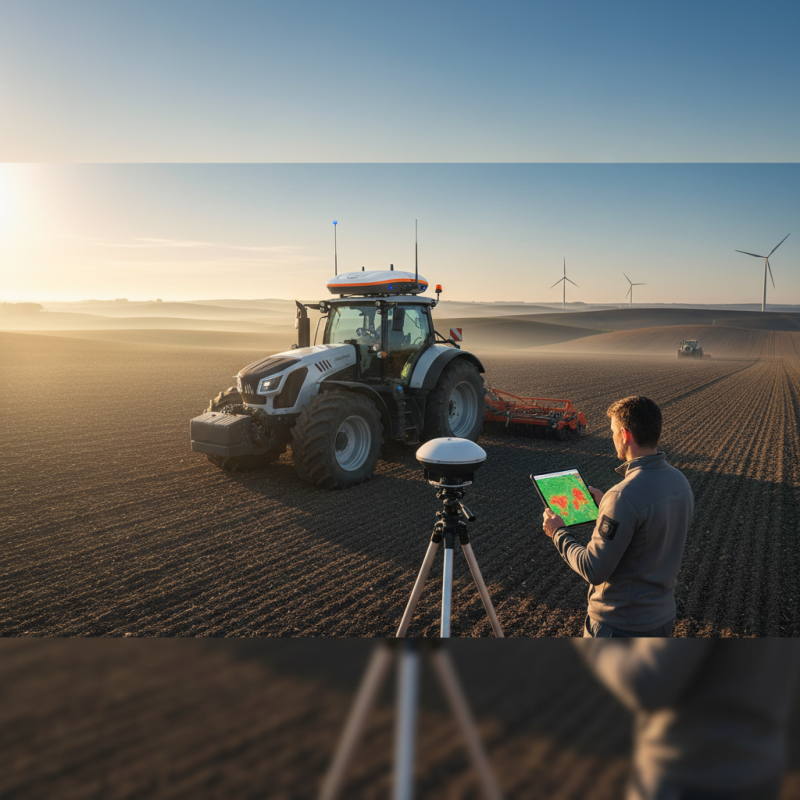
Overview of Portable RTK Solutions in Precision Agriculture
As precision agriculture advances, the demand for portable RTK solutions is increasing. These technologies ensure accurate positioning, allowing farmers to optimize their field operations. According to a recent industry report, the global precision agriculture market is expected to reach $12 billion by 2026. This growth reflects the importance of reliable RTK systems in modern farming.
Portable RTK devices offer flexibility and convenience. They help in tasks like surveying, planting, and crop monitoring. An estimated 30% of farms have already adopted some form of RTK technology. However, not all devices perform equally well. Many users report challenges with signal interruptions, especially in dense landscapes. Addressing these issues remains a key focus for developers.
Farmers appreciate the cost-effectiveness of Rtk Portable systems. These solutions reduce the need for costly infrastructure while maintaining accuracy. Yet, some users express concerns about their durability under harsh conditions. Ensuring robust designs will be crucial as these technologies evolve. Continuous innovation and real-world testing are essential to understanding and improving portable RTK effectiveness.
Key Features of Portable RTK Systems for Farmers
Portable RTK systems are becoming essential in precision agriculture. They offer farmers a reliable way to achieve high accuracy in field operations. These systems use satellite signals to provide real-time correction data. This helps in achieving centimeter-level precision for tasks like planting and harvesting.
One key feature of these systems is their rugged design. They are built to withstand harsh farming conditions. Farmers can carry them easily across fields. Additionally, many systems include user-friendly interfaces. This allows quick adjustments and monitoring in the field. Connectivity options, such as Bluetooth or Wi-Fi, are also common. This ensures real-time data sharing with other devices or equipment.
However, some challenges still persist. Battery life can be a limitation during long working hours. Moreover, signal blockage can affect performance in dense crop environments. Farmers often need to adapt their practices. Evaluating the terrain and understanding these limitations are crucial for effective use. With the right approach, portable RTK systems can greatly enhance productivity and efficiency in agriculture.
Benefits of Using Portable RTK in Crop Management
The adoption of portable RTK solutions in crop management is transforming precision agriculture. Farmers are recognizing the benefits these systems offer for enhancing crop quality and yield. Portable Gps Rtk units provide real-time positioning data, helping farmers make informed decisions about planting, fertilization, and pest control. These systems allow for precise field mapping, which can lead to better resource allocation.
One significant advantage of using portable RTK systems is the reduction in errorsduring planting. Traditional methods might leave room for variance, but Gps Rtk ensures that rows are planted accurately. This precision aids in maximizing land use and minimizing waste. Farmers can also monitor crop health with advanced mapping technologies, identifying issues such assoil variability.
However, implementing these technologies does come with challenges. The initial setup can be complex, and some farmers may find it overwhelming. Connectivity issues in rural areas can disrupt the functionality of the Portable Gps Rtk systems. Reflection on these hurdles is essential for farmers to fully leverage the capabilities of RTK technology.Farm management systems must evolve alongside these tools to ensure they provide real benefits. Adjustments and ongoing learning will be crucial in optimizing the use of portable RTK in every farming operation.
Popular Portable RTK Devices in 2026
As agriculture technology evolves, portable RTK (Real-Time Kinematic) solutions are becoming essential. In 2026, these devices are transforming how precision agriculture is practiced. According to a study by Mordor Intelligence, the global market for RTK solutions is expected to grow at a CAGR of over 12% from 2021 to 2026. This growth reflects the increasing demand for accuracy in farming operations.
Farmers are increasingly relying on portable RTK systems for better yield management and resource allocation. These devices significantly enhance the accuracy of GPS positioning, often exceeding the capabilities of traditional systems. Reports show that the adoption rates of RTK technology in agriculture have reached about 30% in developed countries and are climbing in emerging markets. An interesting observation is that many operators still struggle with the initial setup. This can lead to frustrations that might negate the anticipated benefits.
Moreover, while portable RTK systems offer several advantages, challenges persist. Interference from nearby structures can impact satellite signals. Many users report that training on these advanced devices remains inadequate. Regular updates and technical support are sometimes lacking. These factors underscore the importance of continuous learning in technology adoption. As precision agriculture continues to grow, addressing these concerns will be vital for maximizing the effectiveness of portable RTK solutions in the field.
Top Portable RTK Solutions for Precision Agriculture in 2026
| Device Type | Accuracy (cm) | Battery Life (hours) | Weight (kg) | Price Range (USD) |
|
Rtk Receiver A | 2 | 10 | 1.5 | 1500 - 2500 |
| RTK Receiver B | 1.5 | 12 | 1.2 | 2000 - 3000 |
| RTK Receiver C | 2.5 | 8 | 1.8 | 1800 - 2800 |
| RTK Receiver D | 1.8 | 15 | 1.0 | 1600 - 2600 |
| RTK Receiver E | 2.0 | 9 | 1.4 | 1700 - 2700 |
Comparison of Cost-Effectiveness of RTK Solutions
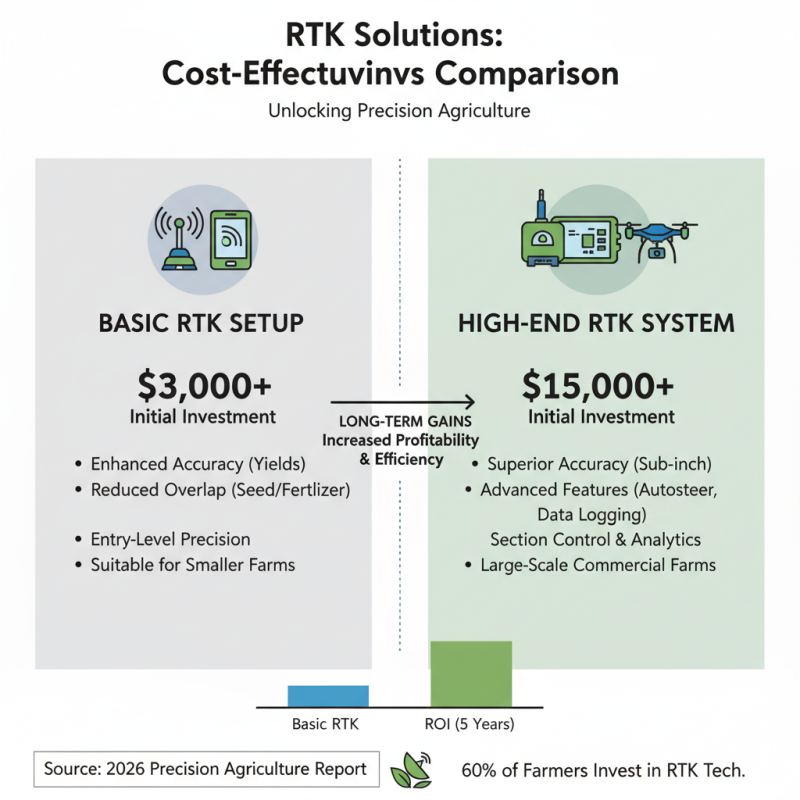
As precision agriculture evolves, the cost-effectiveness of RTK (Real-Time Kinematic) solutions becomes paramount. According to the *2026 Precision Agriculture Report*, over 60% of farmers report investing in RTK technology for enhanced accuracy. However, the initial investment can be daunting. Basic RTK setups start around $3,000, while high-end systems may exceed $15,000. This price range raises questions about affordability and long-term gains.
Interestingly, the return on investment (ROI) can vary significantly across different farming operations. A *2024 Market Analysis* revealed that farms employing RTK systems could achieve up to 20% gains in productivity. But this doesn't come without trade-offs. Smallholder farms may struggle with costs, making it essential to analyze specific needs and settings before diving into RTK.
Adoption rates also suggest a growing trend, with estimates showing a 25% increase in RTK users over the next two years. Despite potential reductions in labor costs and improved crop yield, the financial burden remains a concern. Farmers must weigh their options, considering whether the upfront costs will pay off regarding increased efficiency and output.
Future Trends in Portable RTK Technologies for Agriculture
The future of portable RTK technologies in agriculture is promising. By 2026, farmers will embrace advancements that enhance precision farming. These solutions will increase crop yields and reduce waste. Recent reports indicate that the global adoption of RTK systems in agriculture could rise by over 30% annually. This growth underscores the need for reliable technologies.
Current trends show a shift towards more user-friendly devices. Integration with mobile applications simplifies operation for less tech-savvy users. However, challenges remain. Connectivity issues can disrupt data accuracy. Ensuring a stable connection is critical. Farmers must invest in robust Portable Rtk Pole solutions to optimize their operations effectively.
Tips: Always check for signal stability. Consider satellite configurations before deployment. A reliable connection is key to achieving precise measurements. As technology advances, training will also be essential. Proper understanding of these systems can mitigate risks and enhance productivity.
Case Studies: Successful Implementation of RTK Systems
Case studies highlight the successful implementation of portable RTK systems in precision agriculture. Farmers around the world are embracing these technologies. They enhance accuracy in farming tasks, from planting to harvesting. For example, a farm in the Midwest adopted portable RTK solutions. They reported a 15% increase in crop yield within the first year. This improvement stemmed from better soil mapping and crop management practices.
Another notable case comes from a vineyard in California. By utilizing portable RTK technology, the vineyard optimized irrigation scheduling. This led to significant water savings. The ability to precisely map terrain with "Gps Topographie Portable" made a huge difference. However, challenges remain. Some farmers struggle with the initial setup and ongoing costs. It's crucial to address these hurdles for broader adoption.
Lastly, a cooperative in Europe showcased collaboration among farmers using shared RTK systems. This approach reduced individual costs while boosting collective efficiency. While the results are promising, the need for more training and support persists. As the industry moves forward, reflections on these experiences will shape future implementations.
Top Portable RTK Solutions for Precision Agriculture in 2026
This chart illustrates the effectiveness of various portable RTK solutions for precision agriculture, based on case studies from successful implementations.
Conclusion
The article explores the significance of Portable RTK solutions in precision agriculture for 2026, highlighting their innovative features that cater specifically to farmers’ needs. These systems enhance crop management by providing precise positioning and real-time data, leading to improved efficiency and yield. The benefits of Portable RTK are emphasized, showcasing how they facilitate better decision-making in farming practices.
Furthermore, the piece examines various popular Portable RTK devices available in 2026, presenting a comparison of their cost-effectiveness to help farmers make informed choices. It also delves into future trends in Portable RTK technologies, indicating a shift towards more integrated and user-friendly solutions. Case studies illustrating successful implementations of RTK systems further underscore their impactful role in modern agriculture.